
Sustainability News for September 21st: Introduction
The Sustainability News for September 21st brings together three stories where investment is helping turn environmental ambition into practical progress. Tropical forests are being given greater financial value while they remain standing, British farmers and innovators are being backed to solve real agricultural problems, and hundreds of European environmental technologies are moving closer to commercial use.
There is an encouraging business thread running through all three. Environmental progress has a much better chance of lasting when there is a viable economic model behind it, whether that means rewarding countries for protecting forests, helping agricultural technology reach farms or connecting promising innovations with customers and investors.
For businesses, these developments also show how sustainability is becoming increasingly connected with resilience, productivity, investment and new commercial opportunities. Here are the three developments worth knowing about this week.

£400 Million to Change the Economics of Protecting Tropical Forests
Protecting a forest has enormous environmental value, although historically the financial incentives have often favoured cutting it down. However, a major international initiative is trying to change that equation, with the UK announcing its intention to invest £400 million in the Tropical Forests Forever Facility.
The proposed investment would be made as a loan rather than a grant and remains subject to final governance arrangements, due diligence and UK conditions being met. The facility is designed to generate investment returns while making performance-based payments to tropical forest countries that successfully protect their forests.
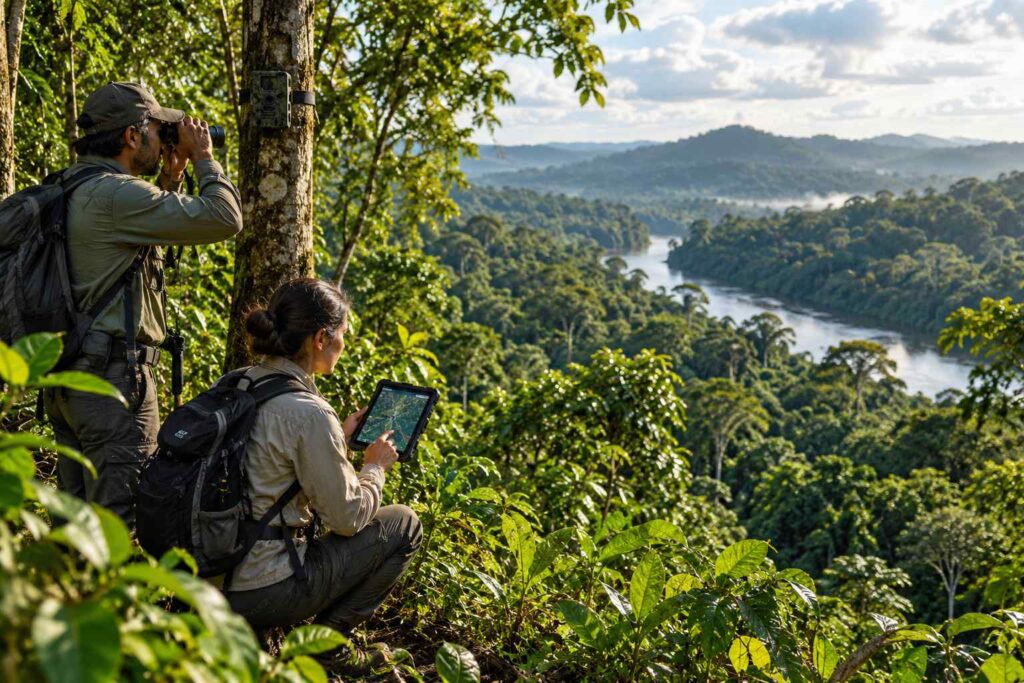
The facility was launched at COP30 to create an ongoing economic incentive for keeping tropical forests intact. It represents an interesting shift towards giving standing forests greater financial value while supporting biodiversity, water systems, communities and climate resilience.
For Sustainability News for September 21st, the opportunity lies in creating finance that rewards long-term protection rather than simply funding individual interventions. If the model works as intended, keeping forests healthy becomes part of the economic case as well as the environmental one.
Get In Touch£13 Million Backs Farming Ideas Ready for the Real World
Some of the most useful agricultural innovations begin with ordinary problems, from pests damaging crops to growers struggling with seasonal labour. A new £13 million Farming Innovation Programme competition is looking for solutions that can move from research towards everyday use on British farms.
Delivered by Defra and Innovate UK, the competition will support collaborations between farmers, researchers and agri-tech businesses, with projects receiving between £1 million and £3 million. Previous projects include AI-powered robotic tomato harvesters and vaccines designed to improve animal welfare while reducing reliance on antibiotics.
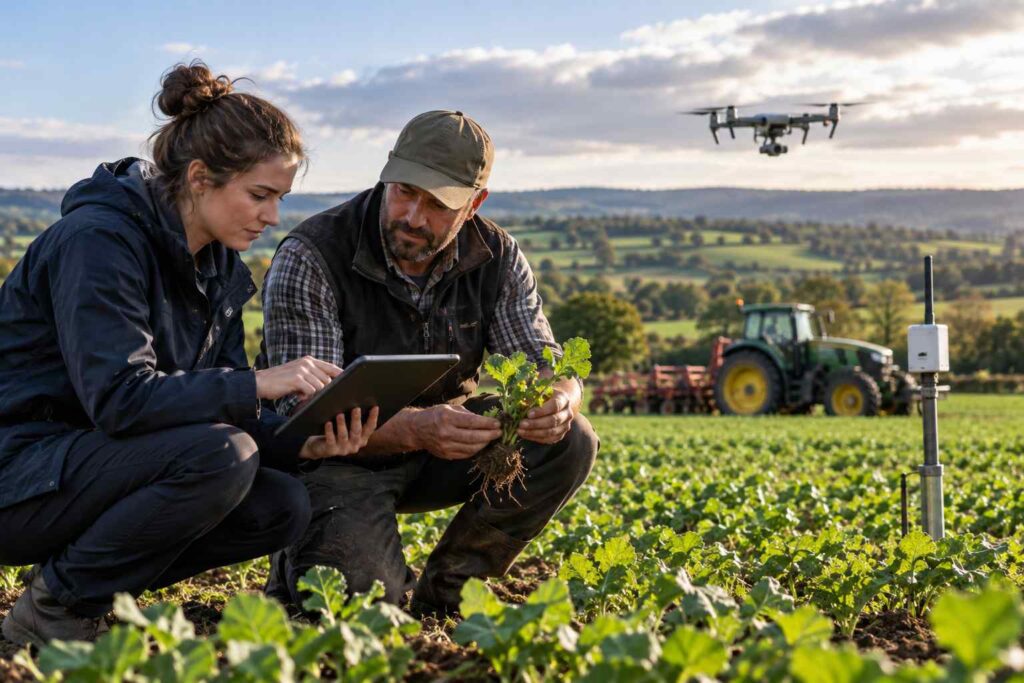
Others are working with nature; for example, FLYTHRIVE is exploring automated monitoring and natural attractants that encourage hoverflies towards aphid colonies in berry crops, where their larvae can provide targeted biological pest control.
For Sustainability News for September 21st, that combination is particularly encouraging. Farmers need solutions that protect yields, control costs and strengthen resilience, so innovations capable of delivering environmental and commercial benefits have a much better chance of becoming normal practice.
113 Environmental Innovations Are Ready for Market
Good environmental ideas only achieve their potential when somebody can actually use them. The European Commission’s Innovation Radar now features 295 innovations developed through LIFE-funded projects, including 113 already classified as market-ready.
The projects address practical challenges across materials, waste, water and manufacturing. LIFE WEEELOOP is developing a circular system to recover components and materials from discarded kitchen hobs, while LIFE WOOD4PLASTIC is converting hardwood residues into bio-based plastics for products including bags and food trays.
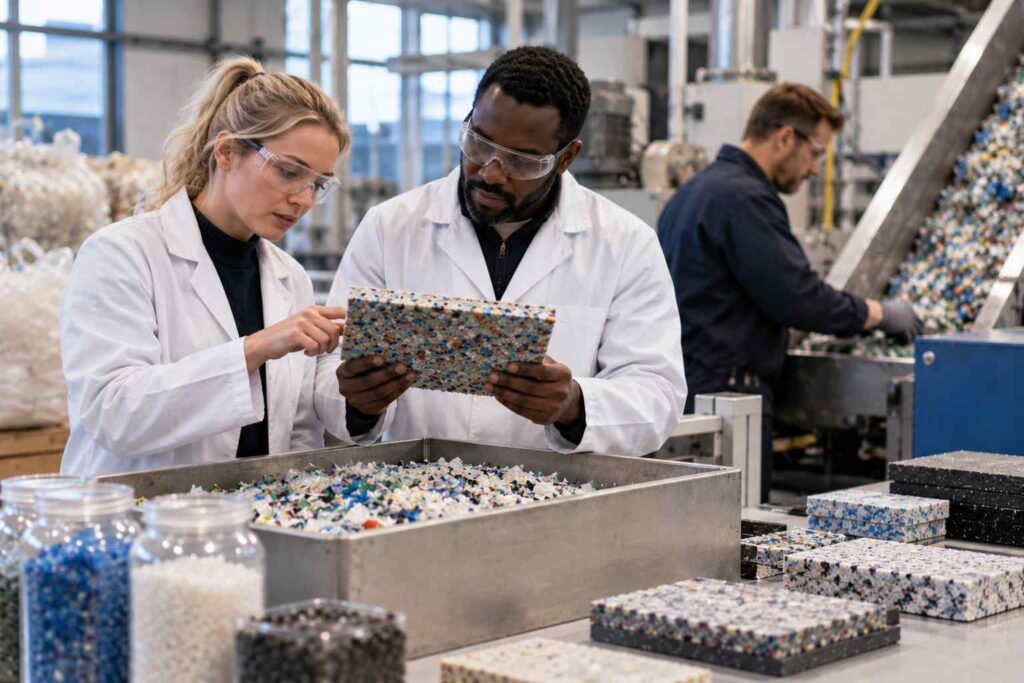
Another 81 innovations are developing plans to reach the market, while 70 are progressing through technology development and demonstration. Innovation Radar also gives projects greater visibility with potential investors, customers and commercial partners, helping promising technologies move beyond the research stage.
For Sustainability News for September 21st, the 113 market-ready solutions are particularly interesting. When businesses can buy, deploy and scale environmental technologies, innovation has a route towards delivering impact far beyond the original project.

Sustainability News for September 21st: Wrap-Up
The Sustainability News for September 21st shows investment working at three very different scales. One model is attempting to change the economics of tropical forest protection, another is helping British agricultural ideas move towards farms, while European programmes are connecting environmental technologies with markets capable of scaling them.
What connects them is the route from good intention to lasting delivery. Forest protection needs sustainable finance, farmers need solutions that work commercially, and innovators need customers and investment once their technology leaves the laboratory.
For businesses, there is a useful lesson here. Sustainability becomes easier to maintain when positive impact also creates value, whether through stronger resilience, lower resource use, improved productivity, healthier natural systems or entirely new products and services.
The Sustainability News for September 21st therefore gives us three reasons for optimism without pretending the work is finished. Capital, technology and nature can support one another when the incentives are designed properly, giving progress a much better chance of lasting.
Create Commercial Value with Play It Green
Play It Green helps businesses make sustainability practical, measurable and commercially sensible.
Our members learn through simple weekly education like this article on the Sustainability News for September 21st, reduce the business footprint with support and expert signposting, repair nature across land, coast and sea, and create social impact through our 10% revenue giveback to good causes.

That gives your business credible action you can share with employees, customers and other stakeholders, backed by transparent reporting and measurable impact.
If you want to cut costs, reduce risk, attract great people and build stronger customer loyalty through sustainability, including measurement and reduction, nature repair and social impact, speak to Play It Green.
Find Out More