
Eco-Friendly Backpacks: Introduction
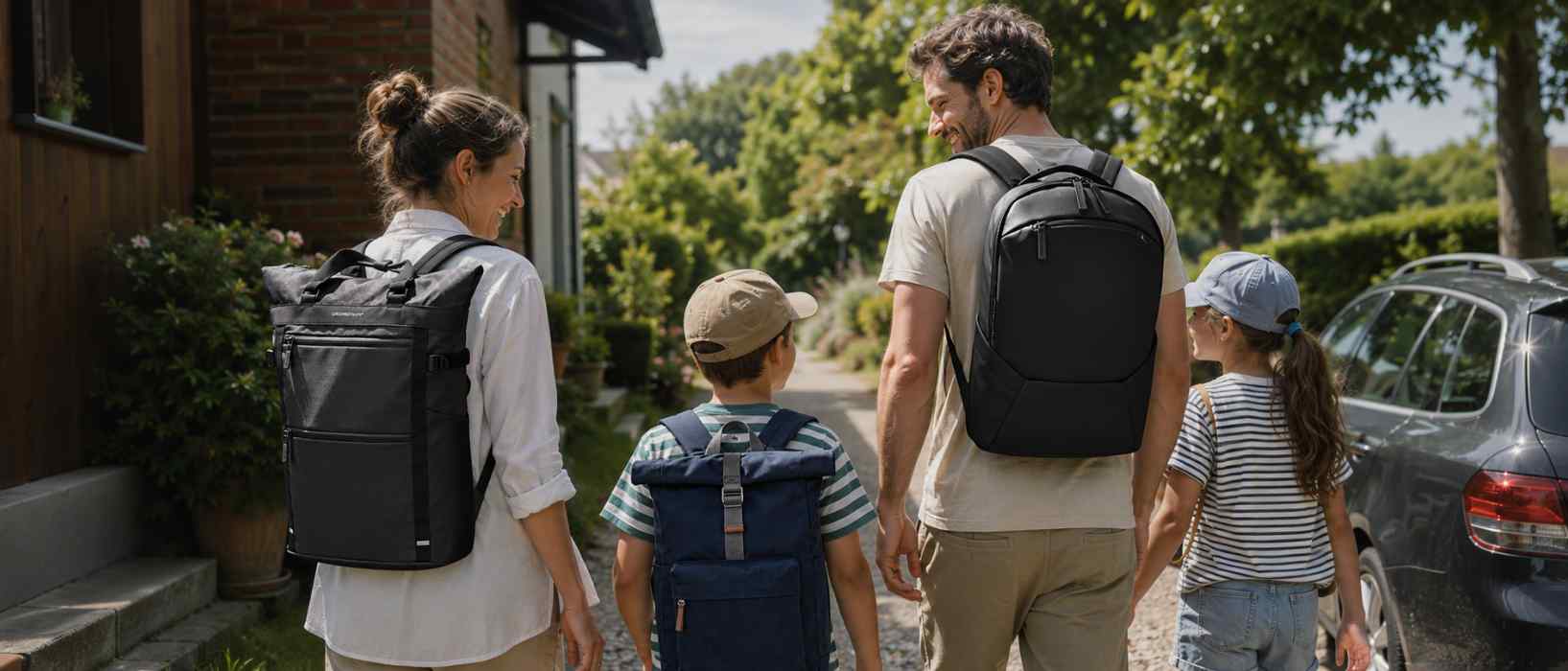
Eco-Friendly Backpacks are a smart August choice, as families, students and commuters start balancing summer days out with September planning. One week the bag is carrying sun cream, snacks and travel bits, then suddenly it needs to cope with school books, laptops, lunch boxes, gym kit and the daily chaos of getting back into routine.
A backpack is one of those products that gets used hard, so choosing well makes far more sense than grabbing the cheapest option the night before it is needed. A well-made bag can last for years, reduce repeated waste and make everyday life easier, which is sustainability doing a practical job rather than asking people to think harder.
The best Eco-Friendly Backpacks combine comfort, durability, better materials and honest claims, so they can be used often without falling apart by half term.

A Brief History of Backpacks
People have carried belongings on their backs for thousands of years, long before padded straps, laptop sleeves and water bottle pockets became part of everyday life. Early packs were simple sacks, baskets, animal skins or wooden frames, helping people move food, tools and supplies across long distances.
Carrying weight on the back made practical sense. It kept hands free, spread the load more evenly and helped people travel, farm, hunt, trade and move through difficult terrain. Military use shaped many later designs, as soldiers needed strong packs that could carry equipment without making movement impossible.
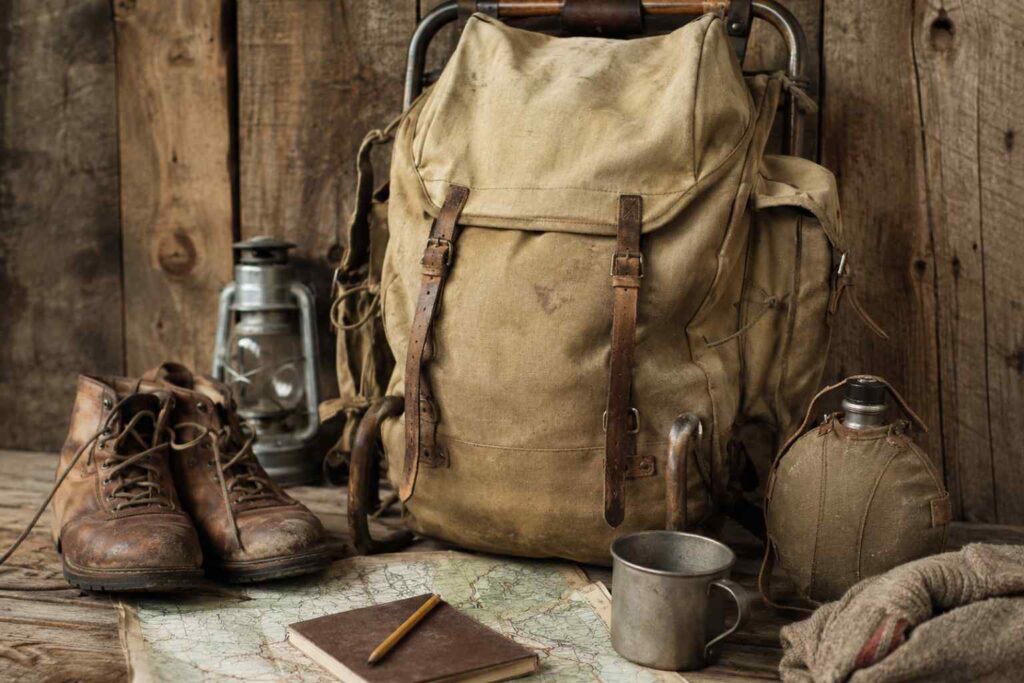
The word “rucksack” comes from German roots linked to “back” and “sack”. By the nineteenth and early twentieth centuries, framed packs became more refined, especially for walking, climbing, military use and outdoor travel. The modern zippered backpack arrived much later, with Gerry Outdoors widely credited with introducing a zippered version in 1938.
Backpacks became common among students from the 1970s and 1980s, when lightweight nylon daypacks moved from outdoor use into schools, colleges and everyday life. Today, they are used for work, travel, school, parenting, hiking, festivals and the sacred British tradition of carrying far too many snacks. That popularity makes Eco-Friendly Backpacks a useful place to cut repeated waste.
Get In TouchThe Environmental Impact of Non Eco-Friendly Backpacks
Many conventional backpacks are made from virgin polyester, nylon, PVC coatings, mixed foams and plastic hardware. These materials are popular because they are strong, cheap and easy to produce at scale, but they come with fossil fuel extraction, energy use, chemical treatments and poor disposal options.
Synthetic fibres are a major part of the wider textile problem. Polyester and nylon are fossil-based materials, and textile production carries significant impacts linked to emissions, water use, chemical processing and waste. Backpacks are not throwaway fashion in the same way as a cheap T-shirt, yet many of the same material problems sit behind them.
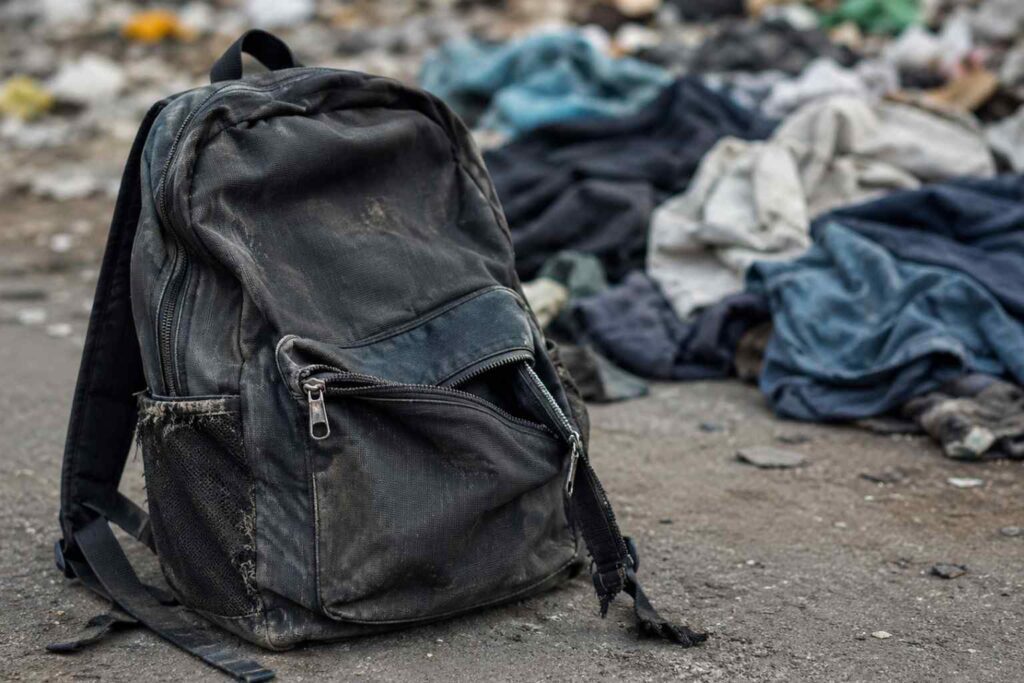
The bigger issue is replacement, as a poorly made backpack that fails after one school year creates another round of fabric, zips, buckles, straps, foam, packaging and delivery. Cheap can look like good value at the till, then become expensive when the same product has to be bought again.
End-of-life is difficult too, especially when backpacks often combine outer fabric, lining, padding, coatings, zips, straps and plastic or metal parts. These materials are hard to separate, so damaged bags often end up in landfill or incineration.
Eco-Friendly Backpacks reduce this impact through recycled materials, stronger construction, repair options and designs people want to keep using.
What to Look For in Eco-Friendly Backpacks
Choosing Eco-Friendly Backpacks starts with durability, because the lowest-waste bag is usually the one that stays useful for years. Check the stitching, zip quality, strap strength, base fabric and everyday comfort before being distracted by colour, style or a vague green claim.
Materials matter, but claims need proof. Recycled polyester, recycled nylon and recycled PET can reduce demand for virgin fossil-based fibres, especially when brands explain where those materials come from. Look for recycled canvas and brands that use post-consumer plastic bottles.
Certifications and repair policies are good signals, for example, for B Corp certification, OEKO-TEX Standard 100, bluesign approved materials and GRS recycled content. Clear factory information and repair schemes are also important.
Fit is part of sustainability too as a bag that digs into shoulders, lacks enough pockets or feels awkward will probably be replaced, even when the materials look good on paper. Padded straps, sensible organisation, water resistance and good weight distribution all help keep Eco-Friendly Backpacks in daily use.
The right choice depends on the job, so school, commuting, travel and outdoor use should all be judged differently.

Three Eco-Friendly Backpack Brands Worth Knowing
ROKA London
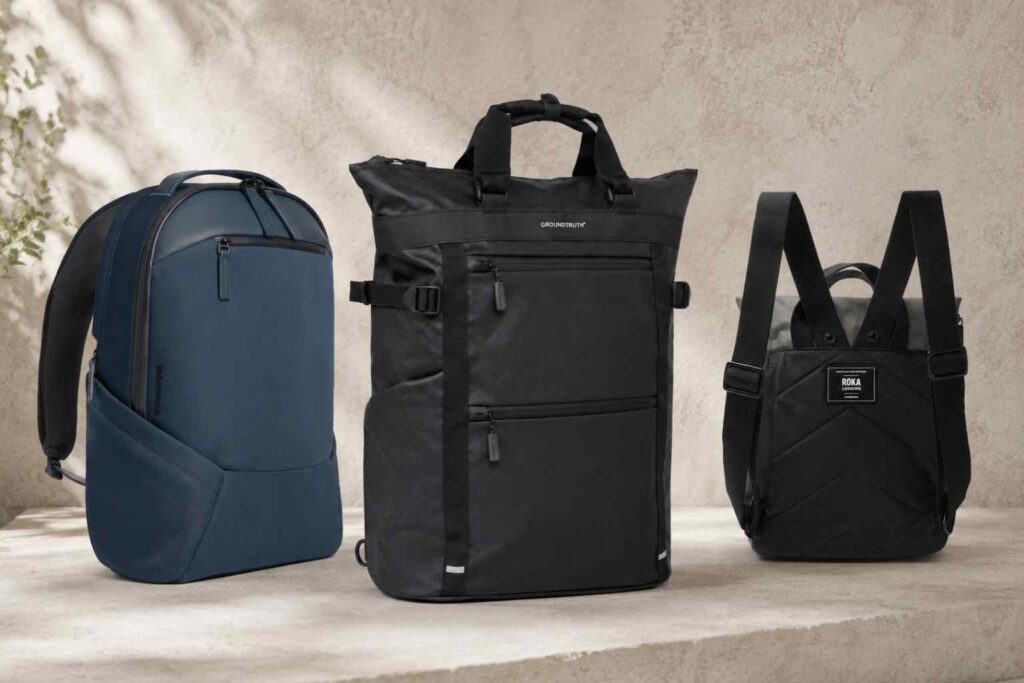
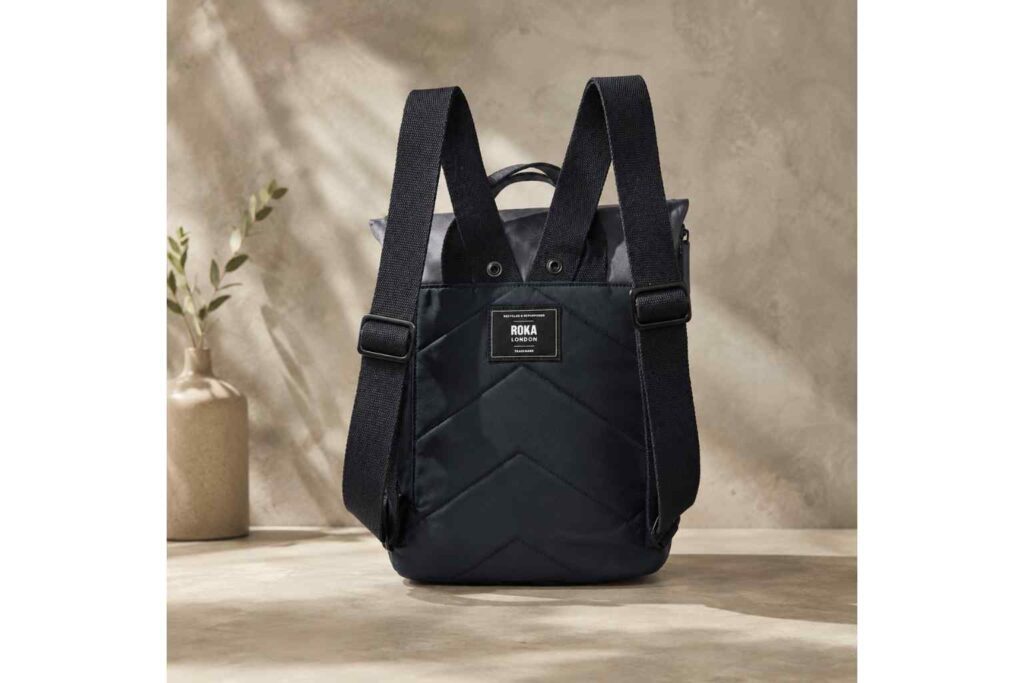
ROKA London is a strong everyday option for families, commuters, students and anyone who wants a practical bag without making life harder. Its range includes classic backpacks, roll-top styles and travel bags, with recycled canvas and recycled nylon options across the collection. The brand says its recycled canvas is made from post-consumer plastic bottles, and its recycled fabrics are OEKO-TEX Standard 100 certified. ROKA is B Corp certified and uses compostable poly bags with recyclable FSC paper mailers, which gives the brand more substance than a simple green label.
Head to their website and use voucher code HEYNEL for 10% off your first order.
Website: https://rokalondon.com
GROUNDTRUTH®
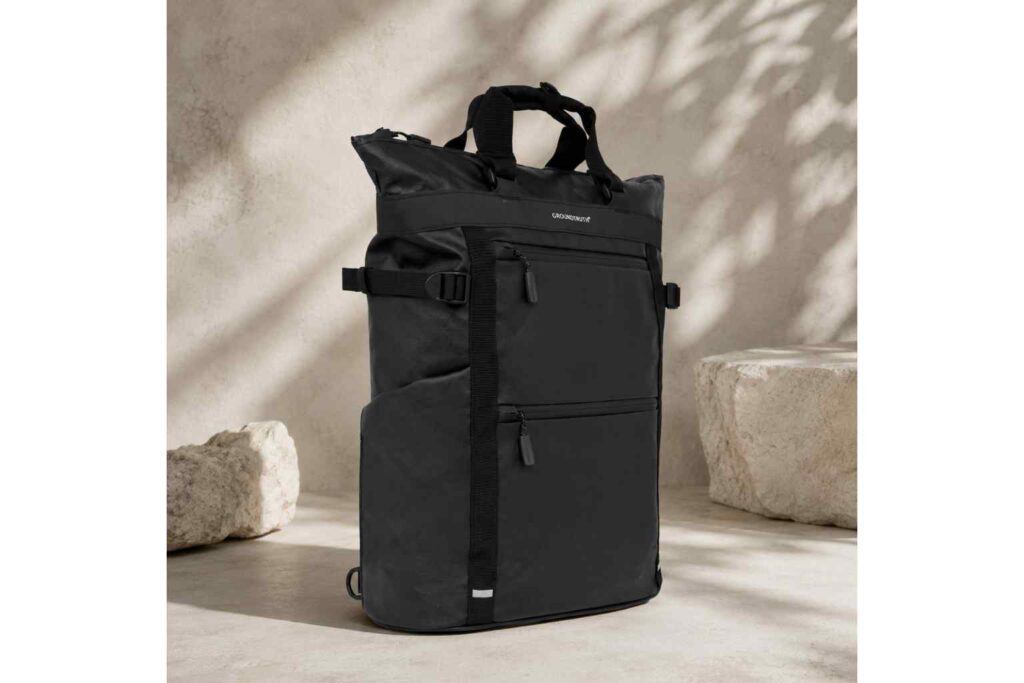
GROUNDTRUTH® is a premium option for travel, work and outdoor use, founded by sisters Sophia, Georgia and Nina Scott after seeing plastic pollution during documentary work. Its RIKR range uses recycled PET ripstop fabric. The 17L Technical Tote Backpack features a three-way carry system, and the material is not just 100% recycled but also has a VOC-free coating to maximise sustainability. GROUNDTRUTH® offers a 10-year repair warranty, which matters because repair keeps a bag useful for longer and reduces the need for replacement. It is a higher-price choice, but the durability and repair approach make it a strong fit for Eco-Friendly Backpacks.
Head to their website and use voucher code PLAYITGREEN15 for 15% off your first order. (Offer finishes 30th September 2026).
Website: https://groundtruth.global
Troubadour
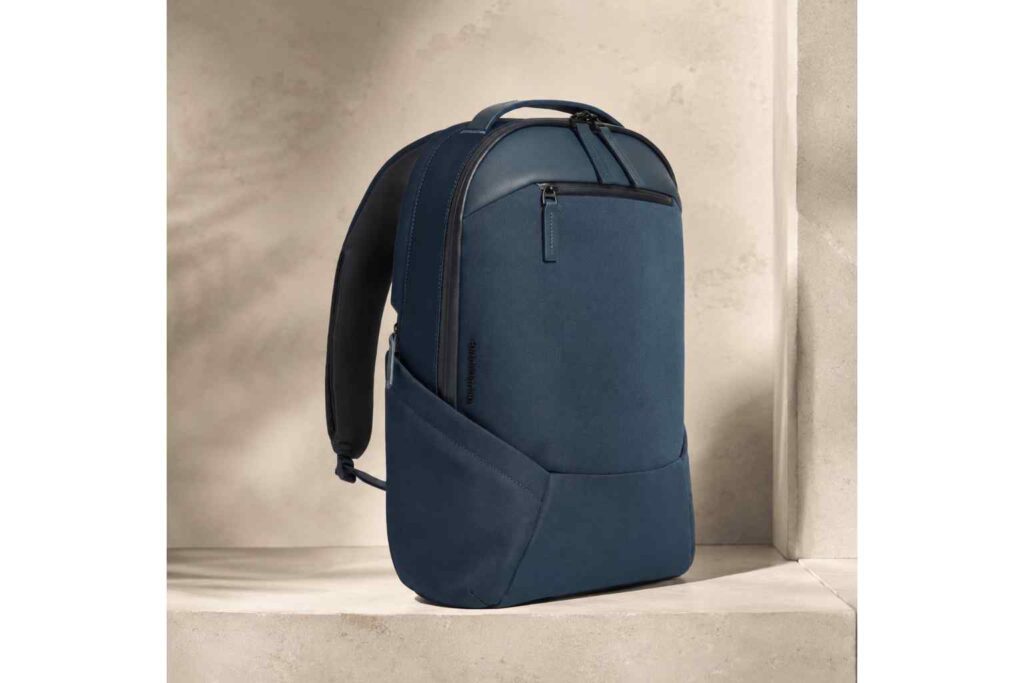
Troubadour is a London-based B Corp making smart backpacks for work, commuting and travel. It is probably less suited to school playground life and better suited to adults who want one polished bag for laptops, meetings and regular travel. Troubadour has been linked with fluorocarbon-free waterproofing, DriTan leather technology and its Orbis Circular Collection, which uses recycled materials. The brand sits at the premium end, but its focus on design, durability and long-term use makes it worth considering for anyone replacing a work bag.
Website: https://www.troubadourgoods.com
Play It Green members have a chance to win a backpack from Groundtruth – keep an eye out in your newsletter, and if you aren’t a member yet, now might be a great time to join us!
Eco-Friendly Backpacks: Wrap-Up
Eco-Friendly Backpacks are a practical August swap because they fit holidays now and September planning next. They are useful for school, college, work, commuting, travel and days out, which means one good choice can serve more than one part of life.
The best option is not always the bag with the biggest green claim. It is the one that lasts, carries comfortably, uses better materials and avoids needless replacement. That is where sustainability becomes useful, because it saves waste without adding another job to the list.
At Play It Green, we believe progress comes from practical choices people can keep using. When families, students and workers choose better products, those small decisions add up across the whole community.
If you enjoyed this tip on Eco-Friendly Backpacks, why not become part of a community creating positive change every day by joining Play It Green?
We help you reduce your footprint, repair the planet, and regive to social causes that matter, all through simple, measurable actions that fit your business.

Everyone wants to see impact, not promises. With Play It Green, your sustainability journey becomes visible, credible, and rewarding.
Join us today and turn good intentions into lasting results.
Sign Up